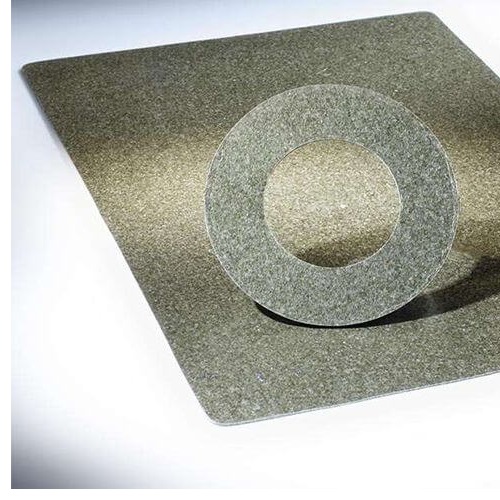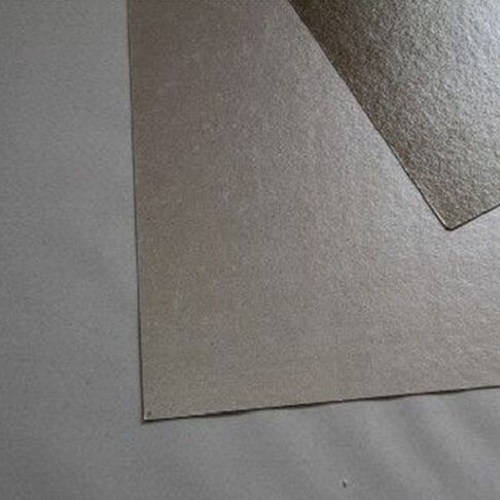
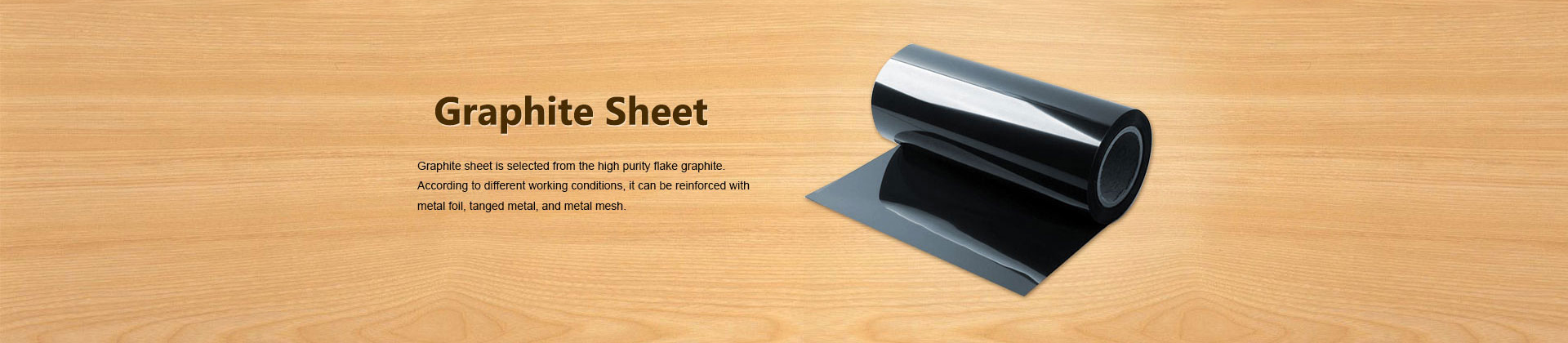
Selecting the correct graphite sheet for high-pressure environments is not merely a purchasing decision; it is a critical engineering choice that directly impacts operational safety, equipment longevity, and production uptime. In over two decades of serving global industries, we at Ningbo Kaxite Sealing Materials Co., Ltd., have witnessed countless failures caused by mismatched material grades. High-pressure applications demand more than just a standard gasket. They require a deep understanding of material density, creep resistance, chemical compatibility, and thermal-mechanical stability. Our factory has refined the production of premium Graphite Sheet grades to withstand extreme differential pressures while maintaining a reliable seal over years of cyclic service.
This guide consolidates real-world testing data and field feedback to answer the core question: how to choose the right graphite sheet for high-pressure applications? We will break down critical parameters, present technical comparison tables, and share insights from our production floor. By the end, you will understand why density, thickness, and purity are non-negotiable factors. Whether you are specifying materials for a petrochemical reactor, a steam manifold, or a hydraulic system, the principles outlined here will help you avoid leaks and blowouts. Our experience shows that an informed choice reduces total cost of ownership by over 40 percent. Let us walk you through the science and art of high-pressure graphite sheet selection.

When engineers approach us at Ningbo Kaxite Sealing Materials Co., Ltd., the first question often revolves around specifications. A high-pressure graphite sheet is not a homogeneous product; its performance is dictated by a set of interlinked parameters. Our factory classifies these into four primary categories: bulk density, tensile strength, compressibility & recovery, and thermal stability. Below we detail each parameter with typical target values for high-pressure service (up to 400 bar / 5800 psi).
Bulk density is the most fundamental metric. For applications exceeding 100 bar, we recommend a minimum density of 1.0 g/cm³, but optimal high-pressure performance begins at 1.1 g/cm³ to 1.25 g/cm³. Higher density reduces porosity and limits gas permeation under pressure. Our factory produces Graphite Sheet with controlled density gradients to ensure uniform sealing stress. Another critical parameter is chlorine content, which accelerates pitting corrosion in stainless steel flanges. High-pressure environments often involve aggressive media, so low-chloride grades (<50 ppm) are mandatory.
Let us present the key technical parameters in a clear comparison table. This table reflects our internal quality standards for high-pressure graphite sheets:
| Parameter | Standard Grade (Low Pressure) | High-Pressure Grade (Ningbo Kaxite) |
| Bulk Density (g/cm³) | 0.7 - 0.9 | 1.10 - 1.25 |
| Tensile Strength (MPa) | 3.5 - 4.0 | 5.5 - 7.0 |
| Compressibility (%) | 35 - 45 | 20 - 30 (optimized for high load) |
| Recovery (%) | 10 - 15 | >20 (excellent spring-back) |
| Creep Relaxation (%) at 300°C, 40 MPa | >25 | <12 (our proprietary process) |
| Chloride Content (ppm) | 100 - 200 | <30 (corrosion-safe) |
| Max Pressure (bar) recommended | up to 60 | up to 400 (with proper support) |
Beyond the table, we also emphasize thickness tolerance. For high-pressure flanges, a deviation of more than 5% in thickness creates uneven bolt load distribution. Our factory uses precision calendering to maintain ±0.05 mm tolerance on every Graphite Sheet. Additionally, the presence of metallic reinforcement or tanged insert can increase pressure resistance. However, for pure graphite sheets, the density and resin-free construction are vital. We have seen many failures when users choose low-density material to save costs. One European petrochemical client replaced a standard 0.9 g/cm³ sheet with our 1.15 g/cm³ grade and eliminated leak recurrence over three years. Therefore, parameter awareness is the first step to success.
Density is the single most influential factor when you need to choose the right graphite sheet for high-pressure applications. In simple terms, density determines how much graphite material is compacted into a given volume. Higher density means fewer microscopic voids, which translates to lower gas permeability and higher resistance to pressure extrusion. Our factory has conducted blow-out tests at pressures exceeding 500 bar, and the correlation is clear: every 0.1 g/cm³ increase in density reduces gas leak rates by approximately 35 percent at 200 bar.
For engineers designing flange connections, here is how density affects practical performance:
We also produce a specialized Graphite Sheet with a density gradient: a surface layer of 1.2 g/cm³ and a core of 1.0 g/cm³. This design optimizes both scalability and structural strength. However, for most high-pressure applications, uniform high density is preferred. Our factory recommends the following density selection guide based on maximum operating pressure:
A practical case: a hydraulic system manufacturer switched from 0.9 g/cm³ to our 1.2 g/cm³ grade and saw zero leak incidents during pressure surge tests. They calculated a 60% reduction in maintenance downtime. Density also affects creep relaxation, which we will discuss next. Therefore, when you evaluate a graphite sheet, always ask for the bulk density test report. At Ningbo Kaxite Sealing Materials Co., Ltd., we provide lot-specific certificates for every high-pressure shipment. Remember, density is not just a number; it is the backbone of sealing reliability.
Creep relaxation, also known as stress relaxation, is the gradual loss of gasket compressive stress over time while the gasket is under constant deflection. In high-pressure applications, this phenomenon can transform a perfectly torqued flange into a leaking joint within weeks. Many engineers overlook creep data, yet our two decades of experience have proven that it is the primary failure mode in graphite sheet applications above 150 bar. Our factory has developed a proprietary expanded graphite process that significantly reduces creep without sacrificing flexibility.
Let us explain the mechanism: under sustained high pressure and temperature, the graphite platelets reorganize and slide relative to each other. This causes the gasket thickness to reduce incrementally, which decreases the bolt load. Once the residual stress falls below the internal pressure, a leak path forms. In standard low-density sheets, creep relaxation can exceed 30% of initial stress. Our high-performance Graphite Sheet typically shows less than 12% relaxation after 1000 hours at 300°C and 40 MPa compressive stress.
To choose the right graphite sheet, you must examine creep relaxation data from standardized tests like ASTM F38. We recommend the following criteria for high-pressure services:
Our factory uses a multi-step expansion and calendering technique that aligns graphite flakes in a way that resists lateral creep. Additionally, we incorporate minimal amounts of inorganic additives that act as creep inhibitors without contaminating the media. A refinery in Southeast Asia replaced their conventional graphite gaskets with our creep-resistant grade on a high-pressure naphtha feed line. The joint remained leak-free for 18 months, whereas previously they had retorquing every three months. This translated into substantial savings in labor and lost production.
Another important point: creep relaxation is temperature-dependent. For every 50°C increase above 200°C, creep rates can double. Thus, for high-pressure and high-temperature combined services (e.g., superheated steam), we always advise using our densest grades with verified low creep data. Ask your supplier for long-term creep curves. At Ningbo Kaxite Sealing Materials Co., Ltd., we publish these curves for all our high-pressure graphite sheets. Ignoring creep is like ignoring a ticking bomb in your piping system. Make sure your selection process includes a thorough analysis of stress relaxation performance.
Purity is often underestimated when engineers aim to choose the right graphite sheet for high-pressure applications, especially in chemical and petrochemical sectors. Impurities in graphite can catalyze corrosion, react with process fluids, or degrade at high temperatures. For high-pressure systems, any material degradation is magnified because leak paths form rapidly under differential pressure. Our factory produces graphite sheets with carbon content ranging from 98% to 99.8%, tailored to specific aggressive media.
The primary impurities to watch are sulfur, chlorine, and metallic oxides. Chlorides are notorious for stress corrosion cracking of austenitic stainless steel flanges. In high-pressure hydrogen service, sulfur compounds can poison catalysts or form H2S. Here is a practical purity guide from our laboratory:
We once worked with a chlor-alkali plant where standard graphite sheets caused pitting on Monel flanges within six months. Switching to our ultra-pure Graphite Sheet (chlorine <20 ppm) completely resolved the issue. Additionally, high-purity grades exhibit better thermal stability because impurities act as oxidation catalysts at elevated temperatures. For high-pressure applications that involve oxidizing agents, we recommend a graphite sheet with inhibitor additives that resist oxidation while maintaining purity.
Our factory performs inductively coupled plasma (ICP) analysis for every batch destined for critical services. We also test leachable chlorides according to ASTM C871. The extra cost of high-purity material is negligible compared to the risk of flange replacement or environmental fines. When you specify a graphite sheet for high-pressure chemical environments, always request a certificate of analysis showing trace element levels. At Kaxite, we consider purity as integral to safety. Therefore, do not compromise; match purity to the most aggressive component in your process stream.
Selecting a graphite sheet based on datasheets alone is risky. Real-world validation tests simulate actual service conditions and reveal hidden weaknesses. In our factory, we perform a battery of qualification tests that go beyond standard ASTM procedures. These tests help our clients confidently choose the right graphite sheet for high-pressure applications. Below we outline the most critical tests and their acceptance criteria.
1. Blow-Out Test (DIN 3535 / modified high-pressure)
We mount the graphite sheet between steel flanges, apply a defined bolt load, and pressurize with nitrogen up to 400 bar. The test measures the pressure at which the gasket extrudes or leaks catastrophically. Our high-pressure grades consistently withstand >350 bar without blowout.
2. Gas Tightness Test (helium leak rate)
Using a mass spectrometer, we measure helium leakage at 200 bar and 100°C. For critical applications, we guarantee leak rates below 1x10⁻⁴ mbar·l/s/m. Our standard production Graphite Sheet achieves 10⁻⁵ range, which is suitable for most high-pressure gas services.
3. Cyclic Pressure Fatigue
We cycle the pressure from 0 to 300 bar for 10,000 cycles while monitoring leak rate. This simulates compressor pulsations or pressure surges. Our premium sheets maintain seal integrity with less than 5% increase in leak rate.
4. Creep Relaxation at Elevated Pressure
Using a heated hydraulic press, we apply constant compression stress (40 MPa) at 300°C for 1000 hours. The retained stress is measured. Our results show >88% retention, far exceeding industry averages.
5. Chemical Immersion + Pressure Test
Samples are immersed in representative fluids (e.g., 98% sulfuric acid, caustic, hydrocarbons) for 7 days at 150°C, then subjected to a blow-out test. This validates compatibility under pressure.
Our factory encourages clients to witness these tests or request third-party validation. We also maintain a library of test reports for different Graphite Sheet configurations. For one offshore platform client, the cyclic fatigue test revealed that a competitor’s material failed at 3,200 cycles, while ours exceeded 10,000 cycles. That data alone justified the switch. Therefore, when you evaluate suppliers, ask not only for raw material certificates but also for application-specific test results. Real-world validation bridges the gap between theory and field reliability.
Choosing the right graphite sheet for high-pressure applications demands a systematic approach. Focus on four pillars: density (≥1.1 g/cm³ for pressures >100 bar), creep relaxation (<15% under service conditions), purity (match chlorides/sulfur to flange material), and real-world validation testing. Our factory at Ningbo Kaxite Sealing Materials Co., Ltd., has produced millions of square meters of high-performance Graphite Sheet, and we continuously refine our process based on field feedback. We recommend creating a checklist before purchasing: verify density test results, request creep relaxation curves, analyze impurity levels, and ask for blow-out test data. Never base a decision on price alone; a cheap gasket that fails in three months costs ten times more in downtime and safety risks.
Our team offers free technical consultation to match our graphite sheet grades to your exact pressure, temperature, and fluid conditions. We also provide custom thicknesses, sizes, and adhesive backing if needed. Remember that proper installation—including correct bolt torque and flange surface finish—is equally important. With the right material and practices, your high-pressure joints will deliver decades of leak-free service.
Question 1: What is the maximum pressure rating for a pure graphite sheet without metal reinforcement?
Answer: Pure flexible graphite sheets without metal reinforcement can safely handle up to 250 bar (3625 psi) for dynamic cycling, and up to 400 bar (5800 psi) for static applications, provided the density is at least 1.15 g/cm³ and the flange design includes proper gasket confinement. Our factory at Ningbo Kaxite Sealing Materials Co., Ltd., produces Graphite Sheet grades rated for 400 bar static pressure after rigorous blow-out testing. For pressures above 400 bar, we recommend a graphite sheet with a tanged stainless steel insert or a double-layer design.
Question 2: How does temperature affect the high-pressure performance of a graphite sheet?
Answer: Elevated temperature accelerates creep relaxation and oxidation. For every 50°C increase above 200°C, the effective pressure limit reduces by roughly 15-20%. At 450°C in inert conditions, a high-density graphite sheet can still handle 150 bar, but at 300°C it can handle 300 bar. Always de-rate pressure for high temperatures. Our factory provides temperature-pressure graphs for each product. Use antioxidant grades if service exceeds 400°C in oxidizing environments.
Question 3: Can I reuse a graphite sheet after it has been subjected to high pressure?
Answer: No. Graphite sheets undergo permanent compression and microstructural changes under high pressure. Reusing a gasket dramatically increases the risk of leakage because the recovery capacity is exhausted. We strongly advise replacing the graphite sheet each time the joint is opened. Our factory designs our Graphite Sheet for single-use reliability, ensuring maximum safety. For temporary testing, you might reuse if pressure was below 50 bar, but never for operational high-pressure service.
Question 4: Which flange surface finish is ideal for a high-pressure graphite sheet?
Answer: For high-pressure applications, a flange surface finish between 125 to 250 microinches Ra (3.2 to 6.3 micrometers) with a concentric spiral or serrated pattern provides optimal grip. Too smooth a finish (less than 63 Ra) can cause the graphite sheet to extrude under pressure; too rough reduces sealing contact. Our technical team at Ningbo Kaxite Sealing Materials Co., Ltd., recommends a 200 Ra finish for best results with our high-density grades. Also ensure flange flatness within 0.2 mm per meter.
Question 5: What certifications should I request from a graphite sheet supplier for high-pressure applications?
Answer: You should request a material test certificate (EN 10204 3.1 or 3.2) including bulk density, tensile strength, compressibility, recovery, creep relaxation, chlorine and sulfur content. Additionally, request a gas tightness test report (helium leak rate) and a blow-out test certificate at your required pressure. Our factory provides all these documents for every lot. For critical high-pressure services, ask for third-party witnessed testing or ISO 9001:2015 traceability. These certifications ensure the graphite sheet meets the stringent demands of your application.
Ready to secure your high-pressure systems with premium graphite sheets? Contact Ningbo Kaxite Sealing Materials Co., Ltd. today for a tailored quotation and free engineering support. Our experts will analyze your operating conditions and recommend the optimal Graphite Sheet grade. Request a sample kit and test report package. Click the email button or call us now to discuss your project—reliability starts with the right choice.